Terme vicino Perugia: 4 luoghi da scoprire
Quattro siti archeologici termali nel cuore dell'Umbria, a breve distanza da Perugia. Bevagna, Spello, Cannara, Assisi: una mappa romana del culto delle acque, ancora leggibile sotto le pietre dei borghi.

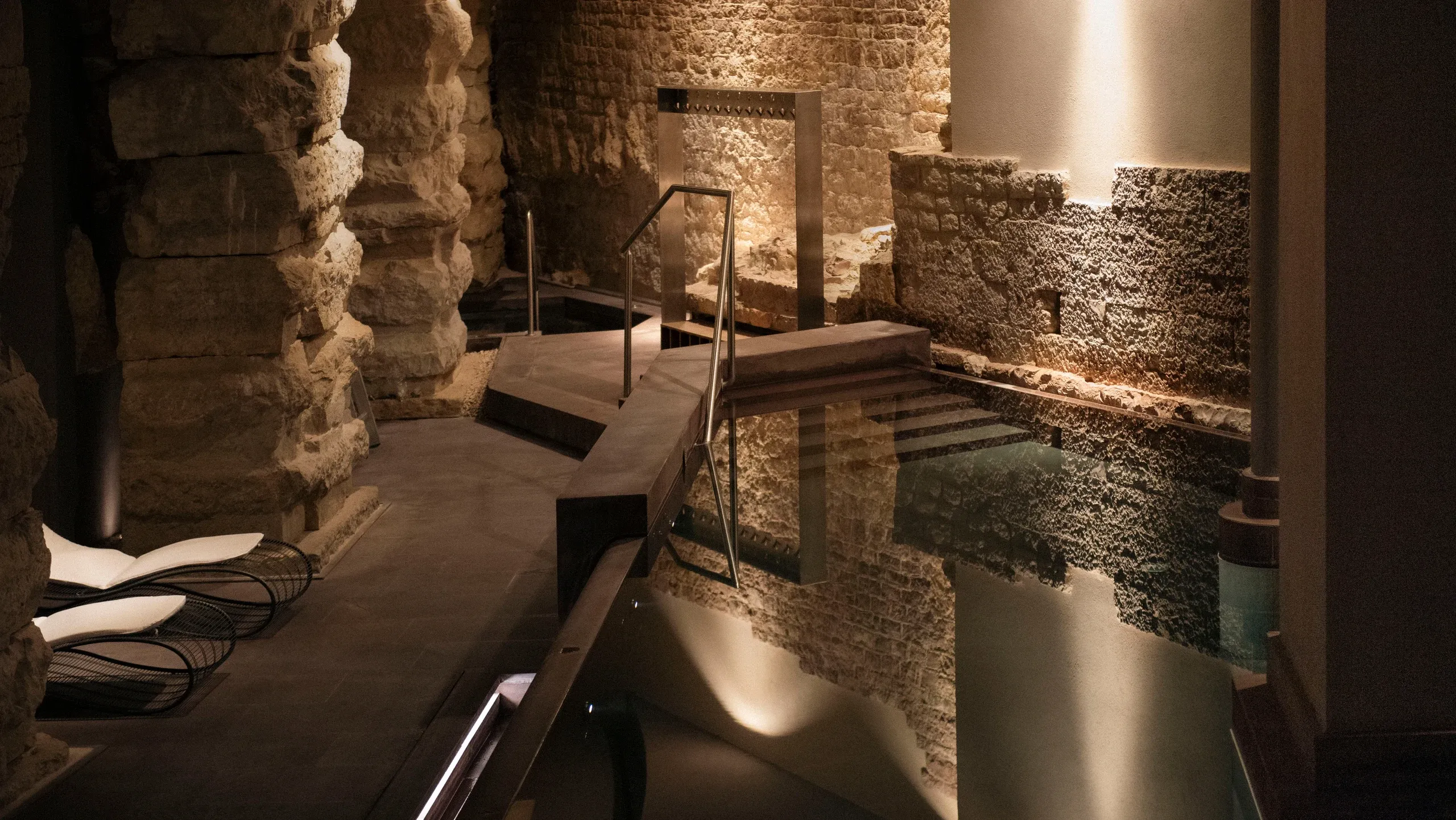

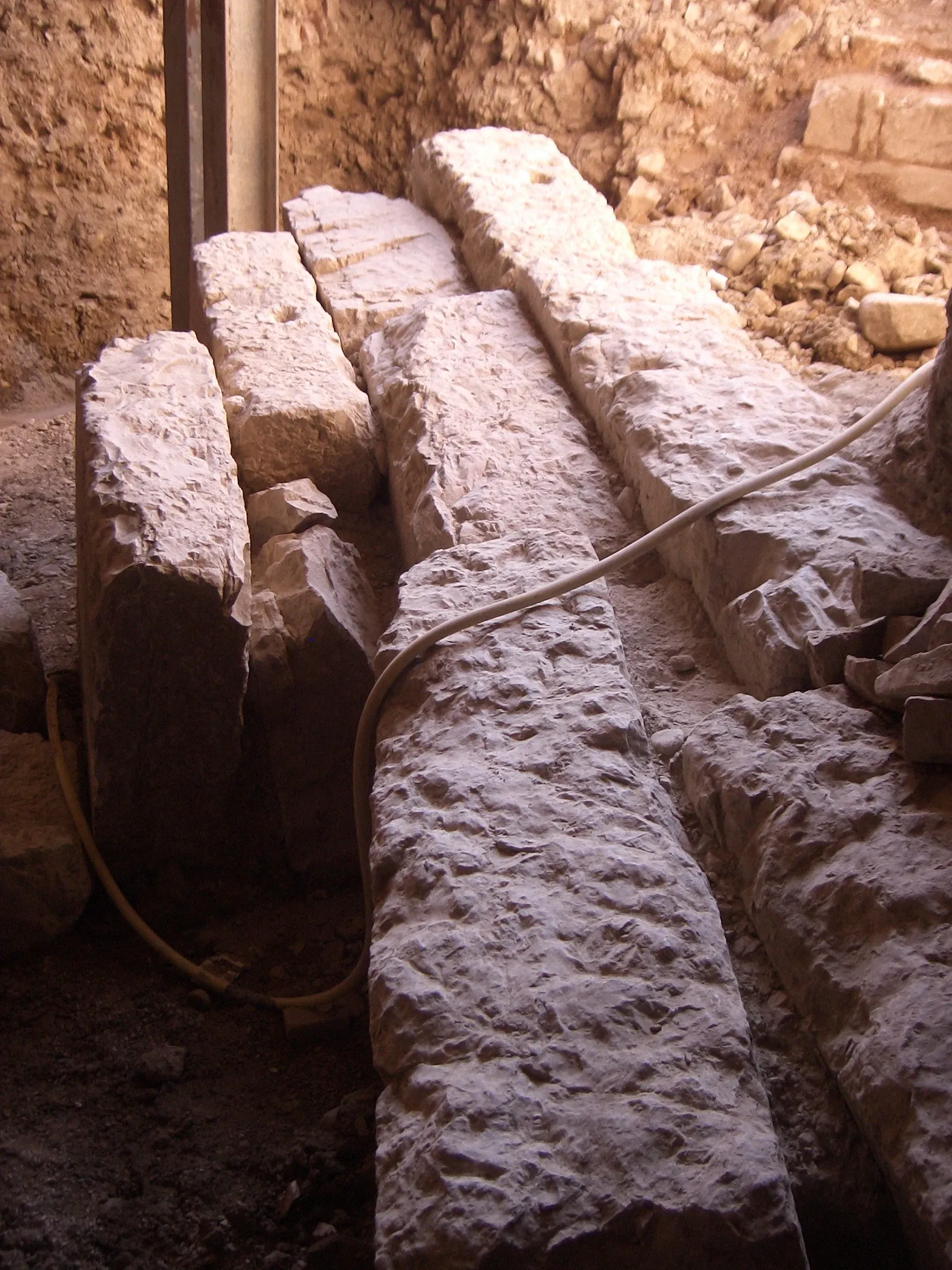
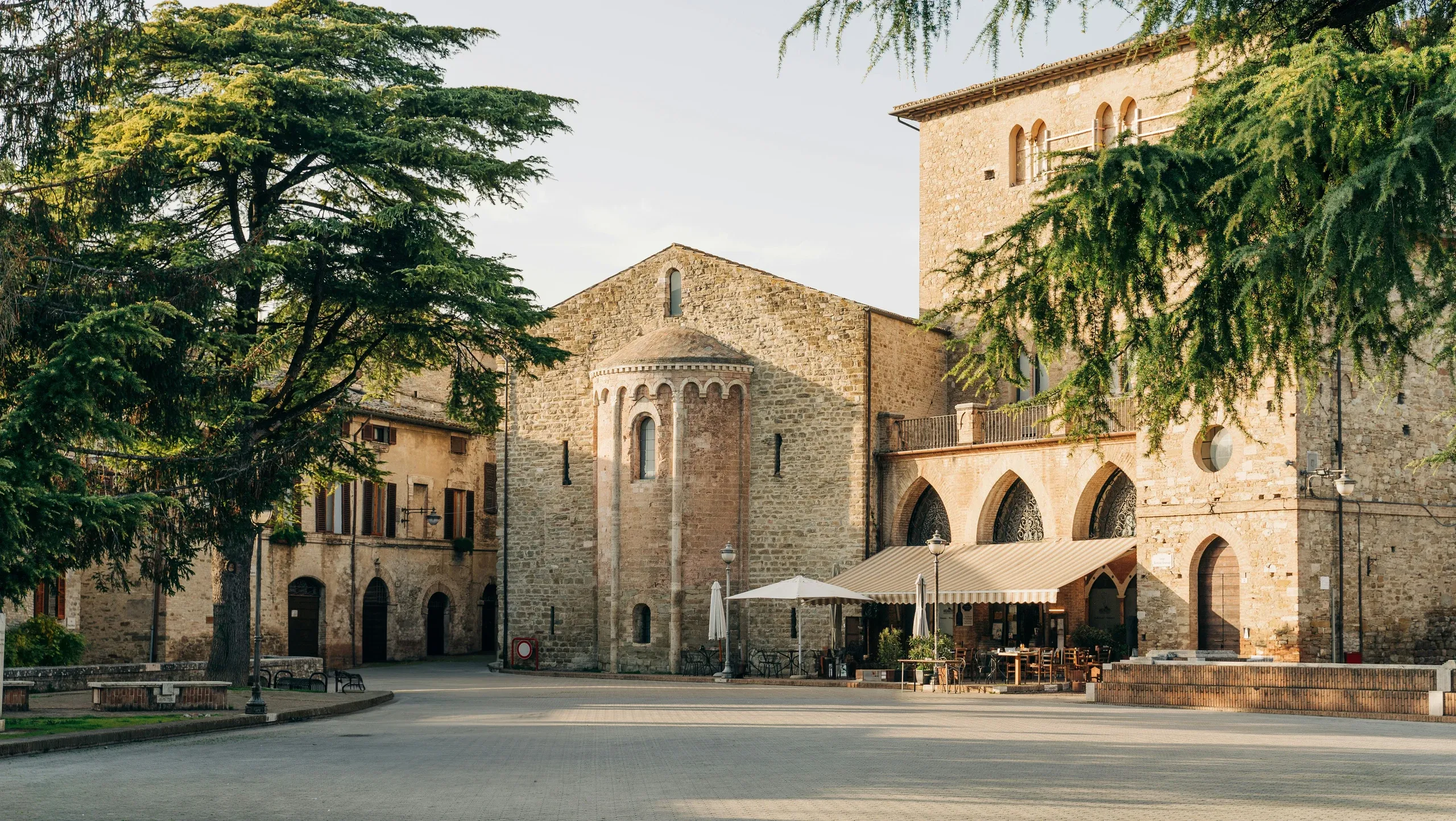
Per i romani l'acqua era un bene inestimabile. Lo capirono presto, e attorno a quella consapevolezza costruirono un sistema. Acquedotti che attraversavano valli per portare le sorgenti dentro le città. Fontane pubbliche, latrine, cisterne. E le terme, nel senso più pieno della parola: la stessa che in greco indica le sorgenti calde. Non solo un luogo per lavarsi, ma un perno della vita sociale e politica romana, dove si discuteva, si trattava, si stringevano amicizie e accordi. Sale, palestre, biblioteche, giardini intorno alle vasche. Inizialmente costruite vicino alle sorgenti naturali, le terme arrivarono poi anche al centro delle città grazie agli acquedotti, riscaldate da focolari sotterranei che attraversavano i pavimenti e le pareti. In Umbria, terra di pietra calcarea e di falde minerali, il termalismo lasciò tracce ovunque. Tra Assisi, l'Umbria centrale e la valle del Tevere, quattro siti raccontano ancora oggi questa cultura dell'acqua, ognuno con la propria storia, il proprio frammento, il proprio modo di essere sopravvissuto.
Le stanze del rito termale
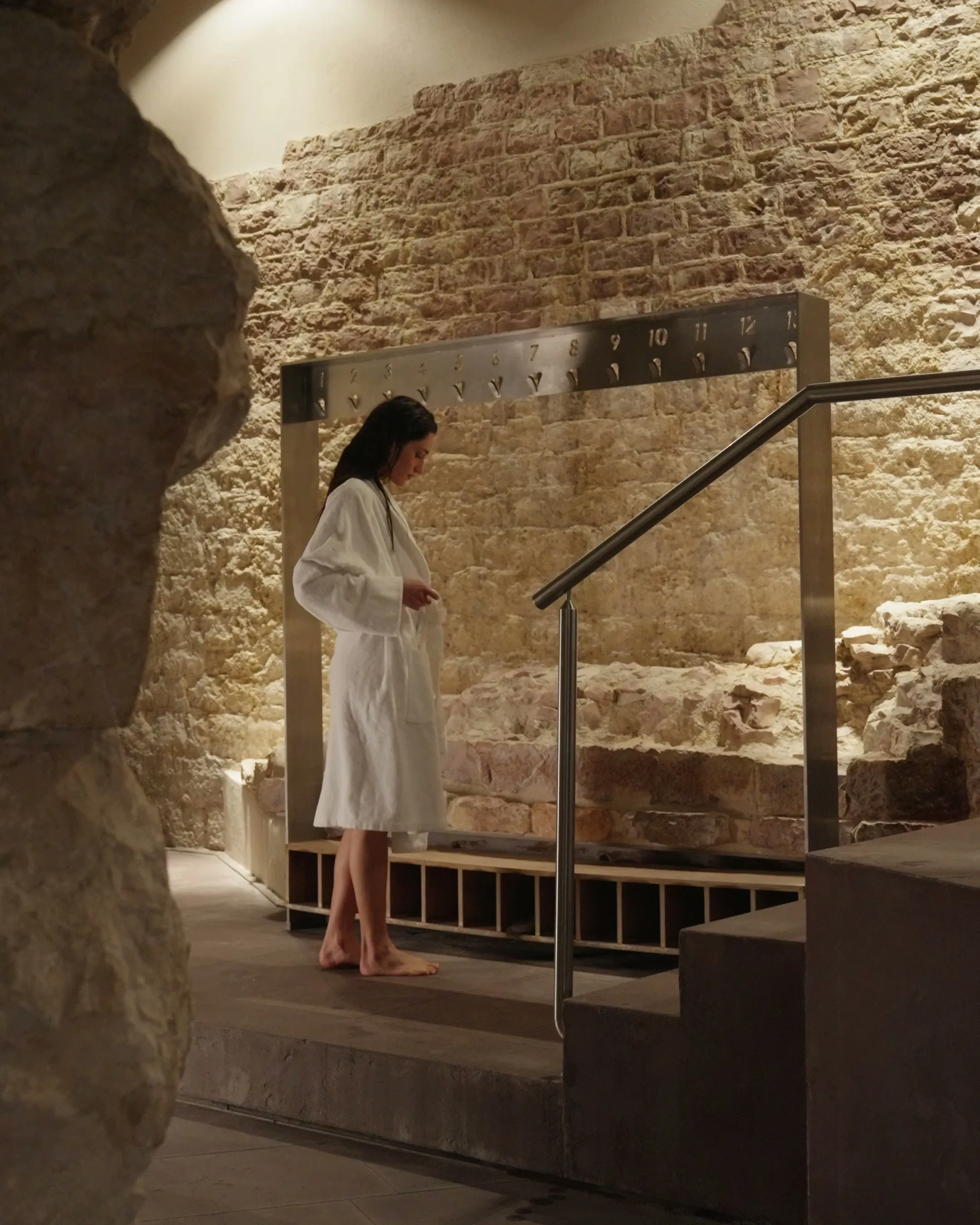
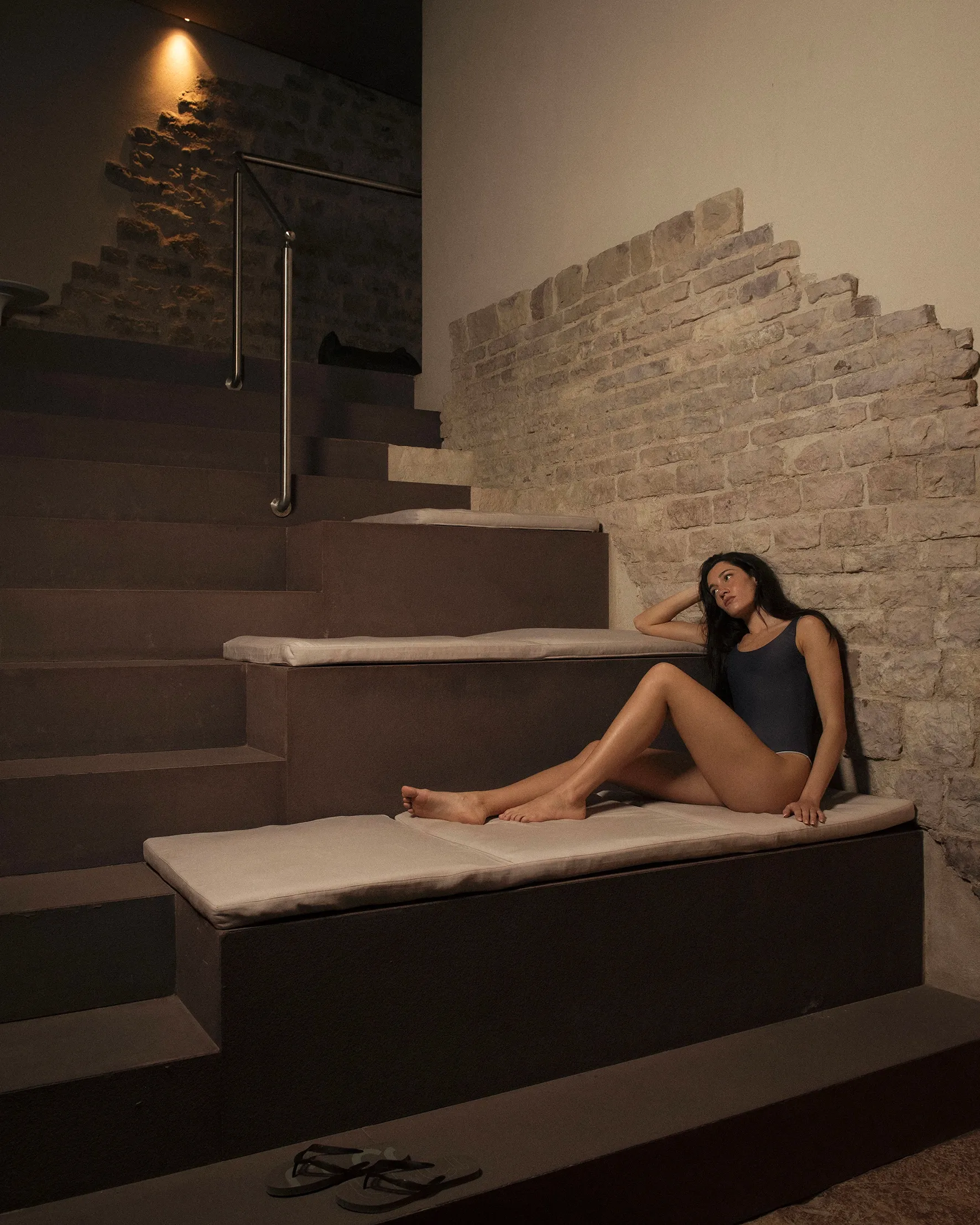
Per leggere ciò che resta di una terma romana, vale la pena ricordare il percorso che la attraversava. Si entrava nell'apoditerium, lo spogliatoio, dove si lasciavano gli abiti. Da lì si passava al Tepidario, una sala con acqua tiepida nella quale spesso si versavano oli ed essenze profumate, pensata per preparare il corpo al passaggio successivo. Il Calidario era la sala più calda, con vasche di acqua bollente e una densa umidità. Si proseguiva nel Sudatorio, ambiente di aria secca e ad alta temperatura, paragonabile a una sauna contemporanea. Era qui che cominciava la cura del corpo: pietra pomice, unguenti ottenuti miscelando olio di oliva e argilla, massaggi con oli profumati. Il rito si chiudeva nel Frigidario, una piscina di acqua fredda che tonificava la pelle e segnava il ritorno alla soglia. Quattro stanze, quattro temperature, una sequenza precisa. Negli scavi umbri è quasi sempre questa struttura che riaffiora, anche quando ne sopravvive un solo frammento.



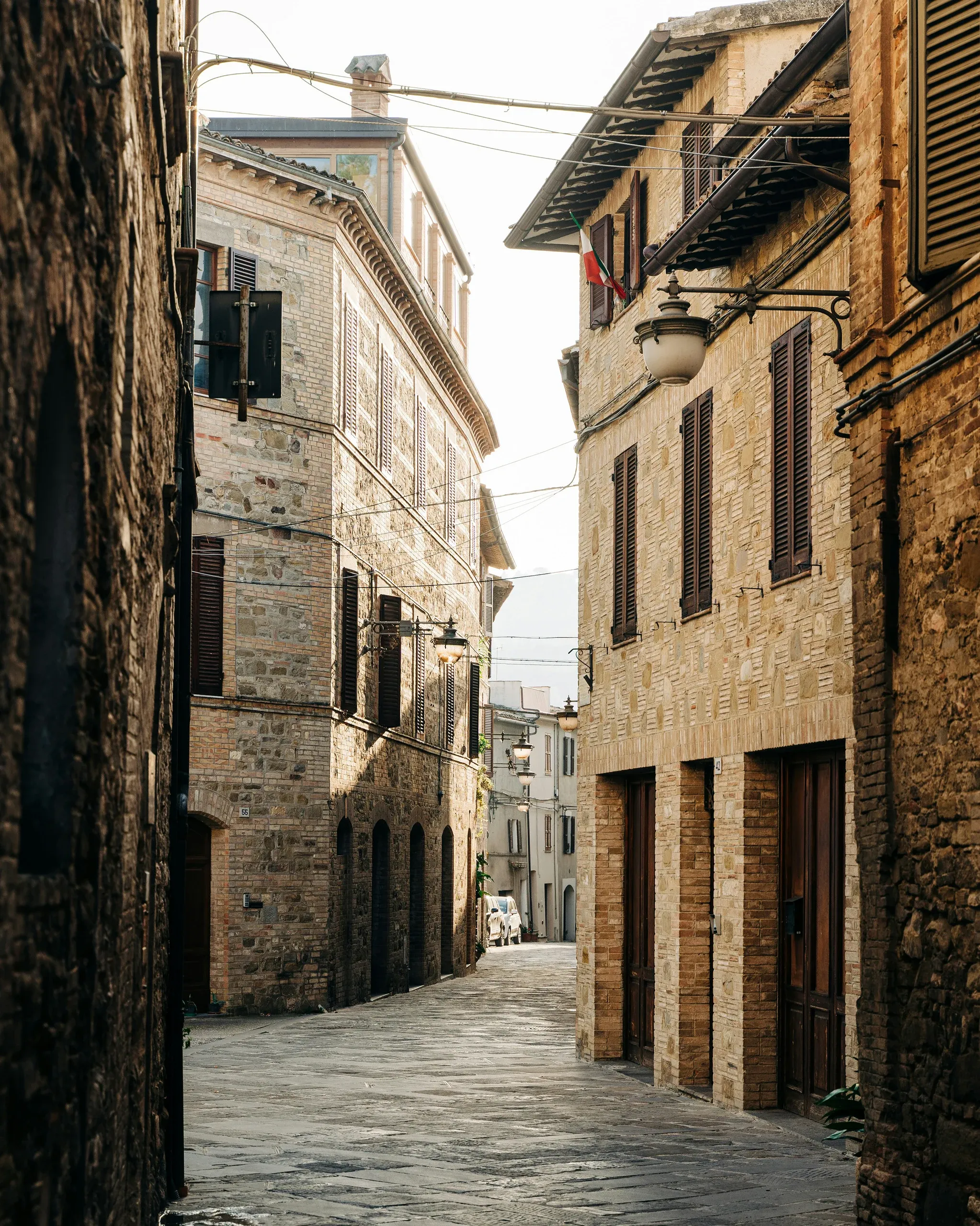
Bevagna
Le terme di Bevagna risalgono al II secolo d.C. e furono riportate alla luce nel 1891, durante lavori che restituirono al borgo umbro uno dei suoi capitoli archeologici più importanti. Tra i resti si distinguono due ambienti riscaldati, le vasche del tepidarium e del calidarium, ma il vero protagonista è il pavimento musivo del frigidarium, ottantun metri quadrati conservati quasi integralmente. È un mosaico in bianco e nero che raffigura un bestiario marino, reale e fantastico insieme: aragoste, delfini, tritoni, tori marini si rincorrono in un disegno fluido che ha attraversato diciotto secoli senza perdere leggibilità. Altri frammenti musivi, tutti riconducibili alle pratiche termali, sono stati ritrovati lungo le mura del borgo. Bevagna oggi conserva il sito come parte del proprio percorso archeologico urbano. È la tappa che lascia capire più di ogni altra quanto le terme romane fossero anche un'opera d'arte, e non soltanto un dispositivo idraulico.
Spello
A Spello le testimonianze sono distribuite tra due aree distinte del paese. La prima, vicino a Villa Fidelia, ha restituito i resti di un edificio riscaldato e di alcune stanze pavimentate a mosaico. La seconda, lungo via Baldini, conserva tracce di un'antica fontana e di vasche termali. Entrambi i ritrovamenti sono databili tra il I e il II secolo d.C., periodo in cui Spello, l'antica Hispellum, viveva la propria stagione di consolidamento urbano sotto l'impero. Le pietre rimaste non bastano a ricostruire un piano completo dello stabilimento, ma raccontano un quotidiano: il calore che saliva dai pavimenti, le pareti rivestite, l'acqua che attraversava la pietra in canalizzazioni precise. Camminare oggi tra i vicoli di Spello significa muoversi sopra una stratigrafia che continua a parlare. Le terme romane sono solo uno degli strati. Sotto l'acciottolato medievale, sotto le case affrescate, c'è ancora un ordine antico fatto di acqua e di geometria.
Cannara, Urvinum Hortense
Sulle alture sopra Cannara, in posizione panoramica sulla pianura umbra, si trova l'area archeologica di Urvinum Hortense, antica città romana documentata già nelle fonti del I secolo. Tra i ritrovamenti più rilevanti del sito c'è una villa con il proprio complesso termale, datato al II secolo d.C. È un esempio importante di terme private, riservate a una famiglia patrizia e ai suoi ospiti, distinte dalle terme pubbliche dei centri urbani per scala, per arredo, per intimità. Il complesso conserva tracce delle pavimentazioni e dell'impianto di riscaldamento, l'ipocausto, la cui fitta rete di pilastrini sosteneva il pavimento e lasciava circolare l'aria calda. Visitare Urvinum Hortense significa anche capire come, in epoca romana, la terma non fosse soltanto un servizio della città, ma una forma dell'abitare. Anche in campagna, nelle ville, l'acqua calda definiva uno spazio domestico fatto di rito, di cura, di tempo lento.

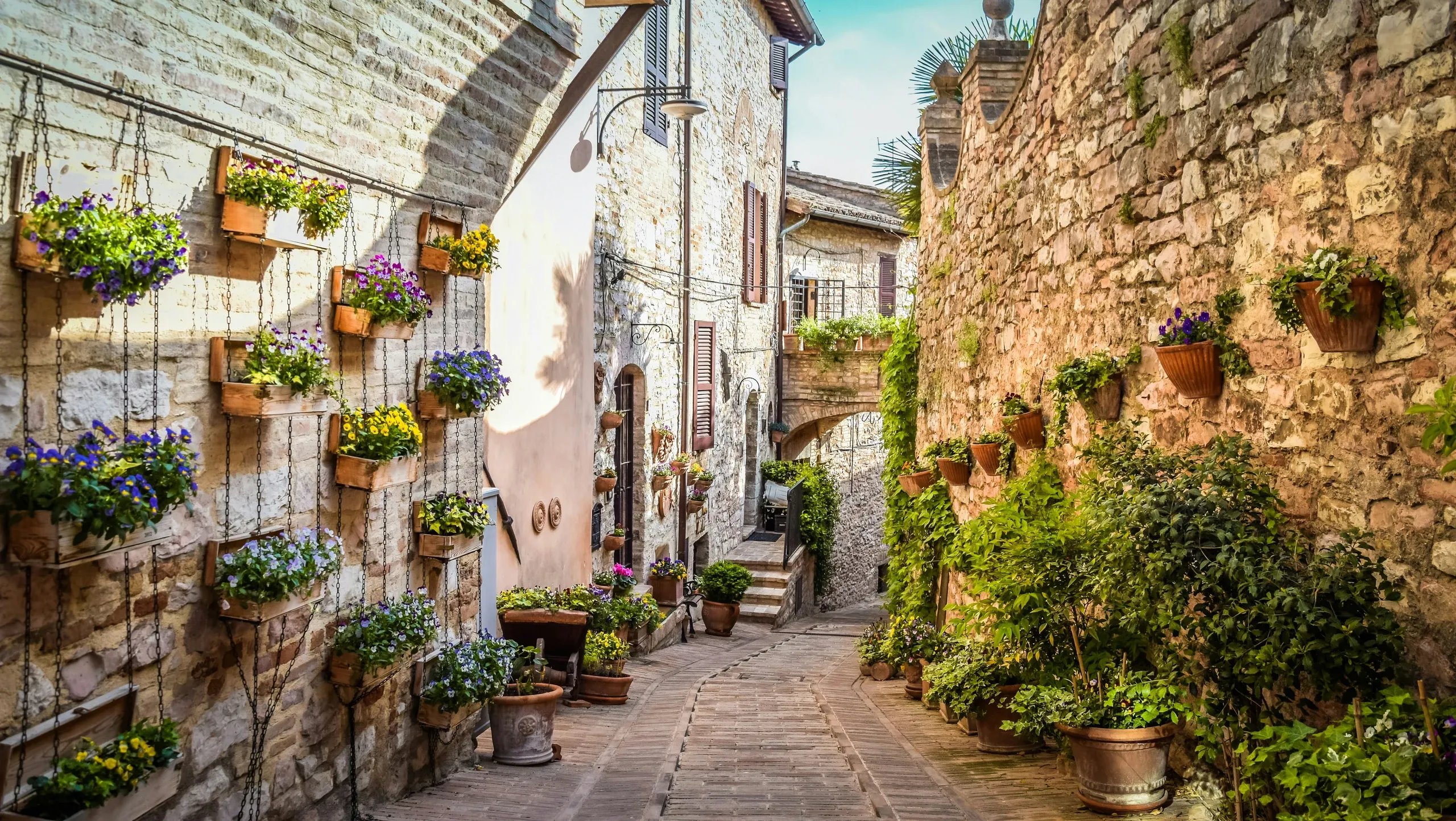

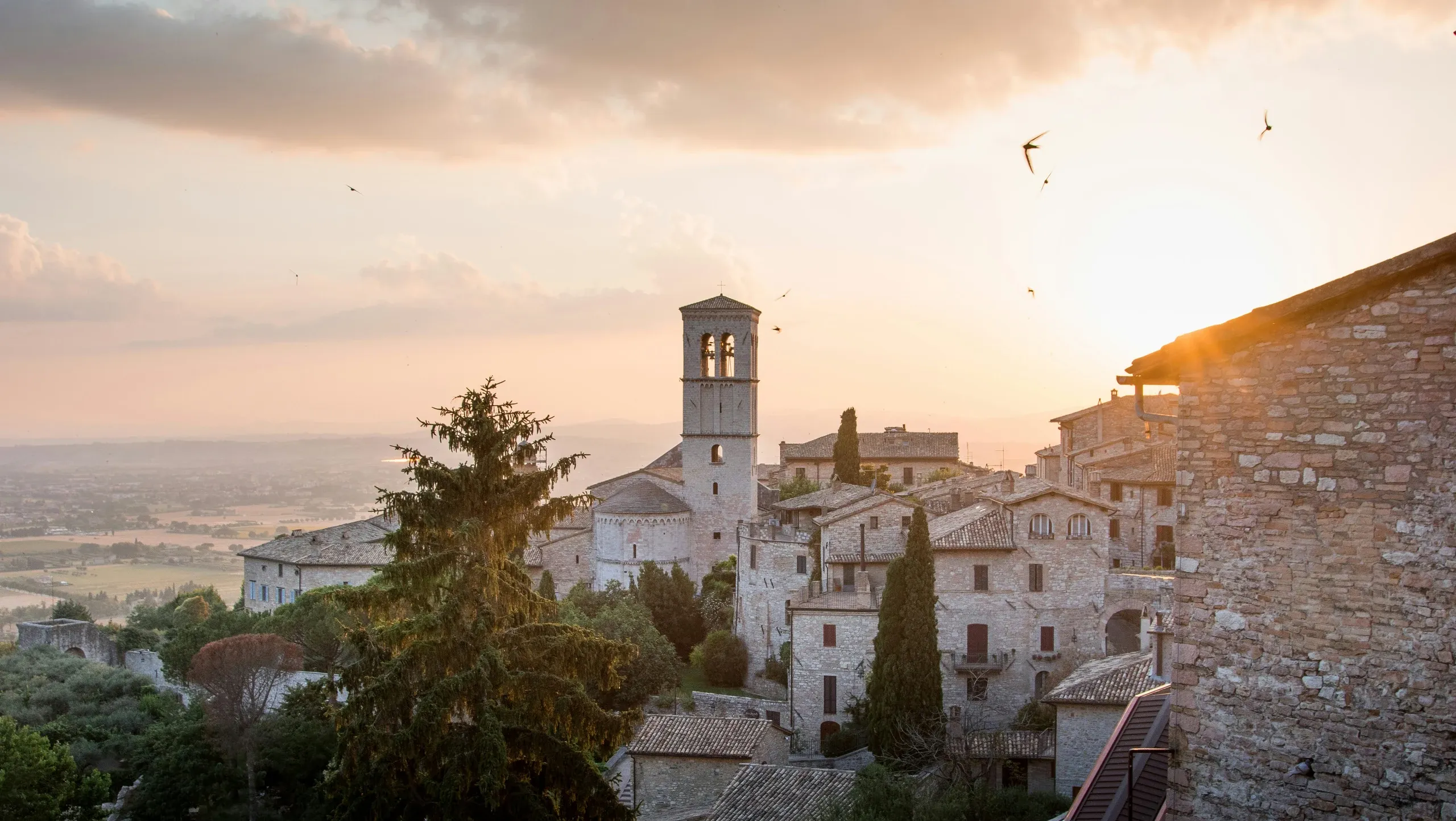

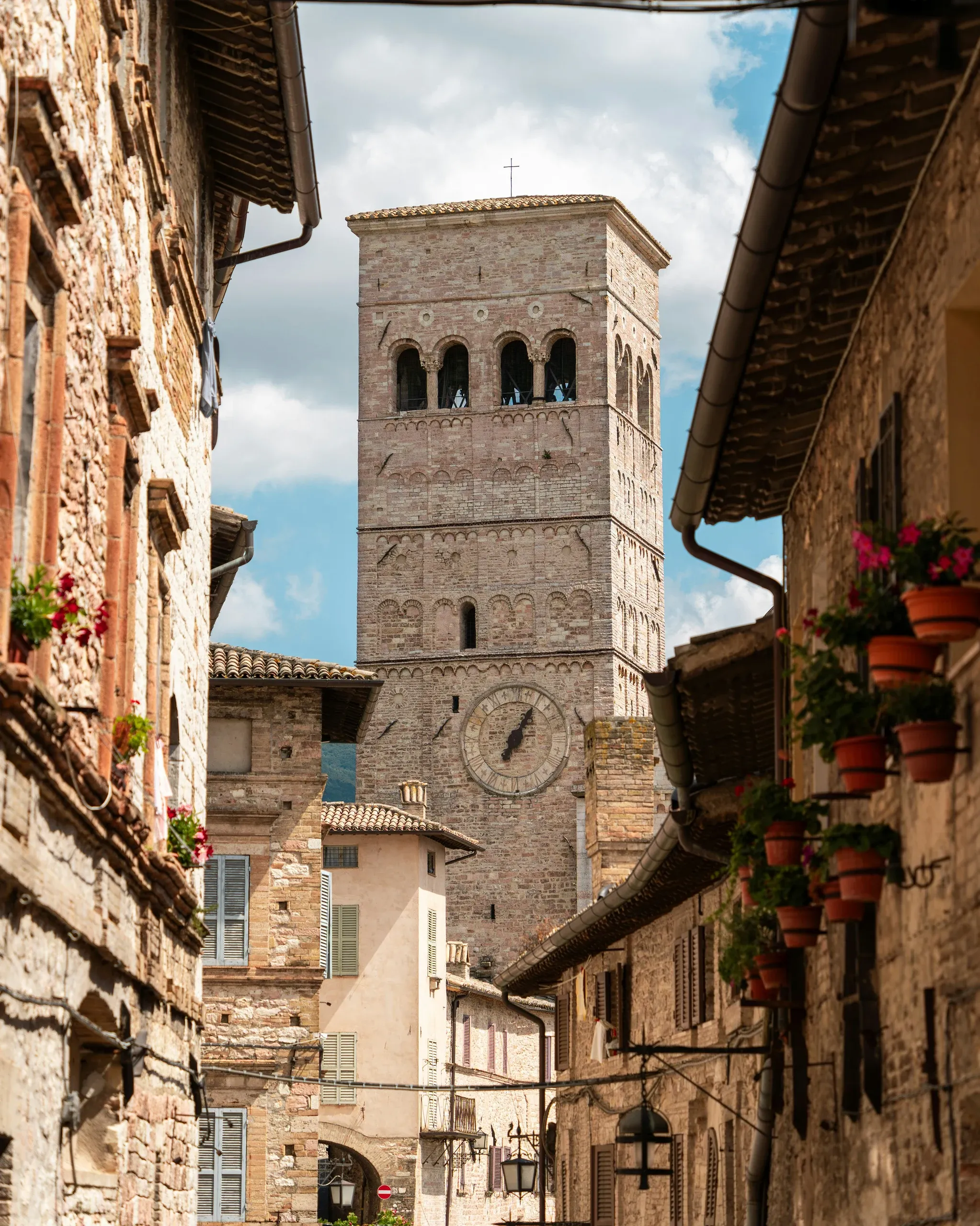
Assisi, le terme di Santo Raggio
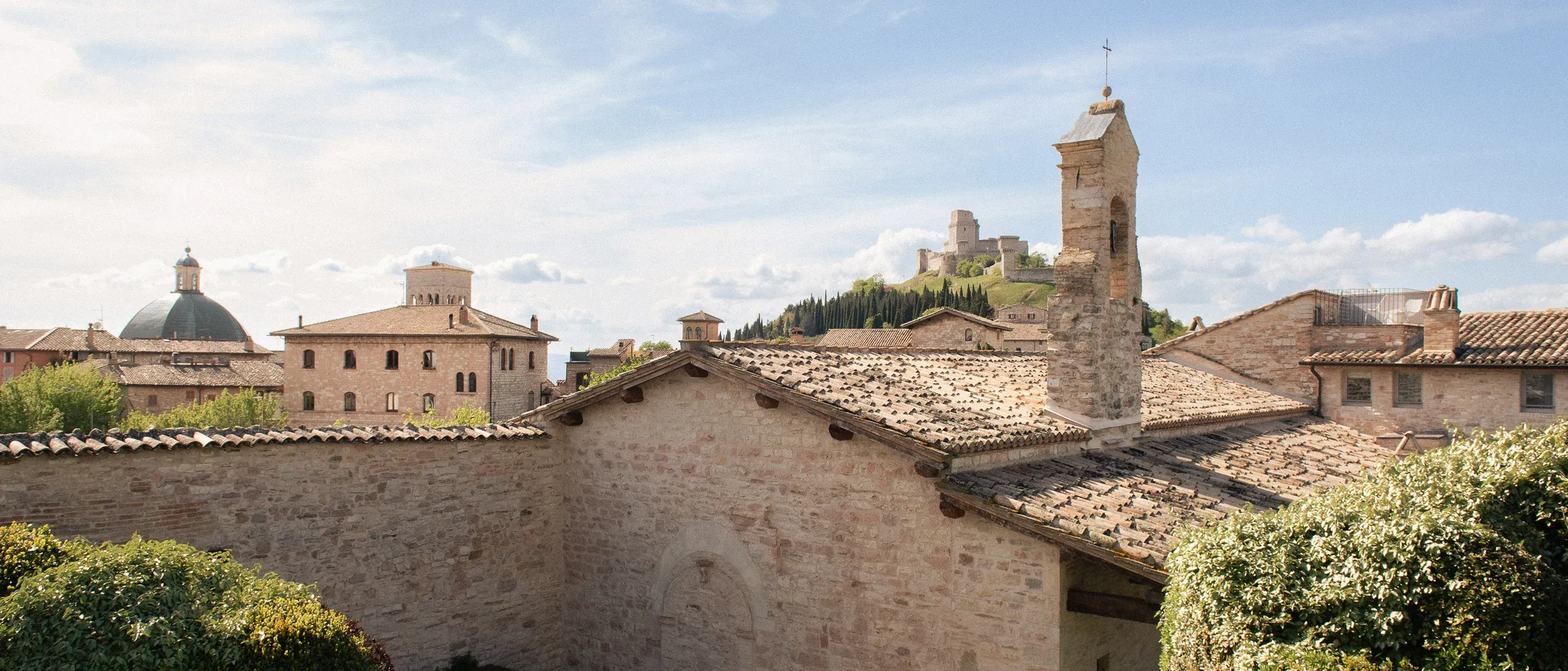
Le terme di Santo Raggio si trovano a poche centinaia di metri dal centro di Assisi e risalgono al II secolo a.C., una datazione che le colloca tra le testimonianze termali più antiche dell'Umbria. Di quel periodo conservano i resti di un ninfeo a facciata, fontana monumentale di carattere sacro, e di una vasca a lastre, scavata nella pietra con la precisione che i romani riservavano alle sorgenti votive. Sebbene Santo Raggio sia spesso considerato l'unico stabilimento termale propriamente detto della città, altre tracce del culto romano dell'acqua sono emerse dalla stessa Assisi, in punti diversi del centro storico, durante interventi di restauro novecenteschi e contemporanei. La presenza dell'acqua in Asisium, l'antica città romana che precedette il borgo medievale, era infatti continua: sorgenti, cisterne, fontane, templi votivi facevano parte di una geografia minerale che la pietra calcarea ha protetto e custodito per duemila anni.
L'acqua che è tornata a scorrere
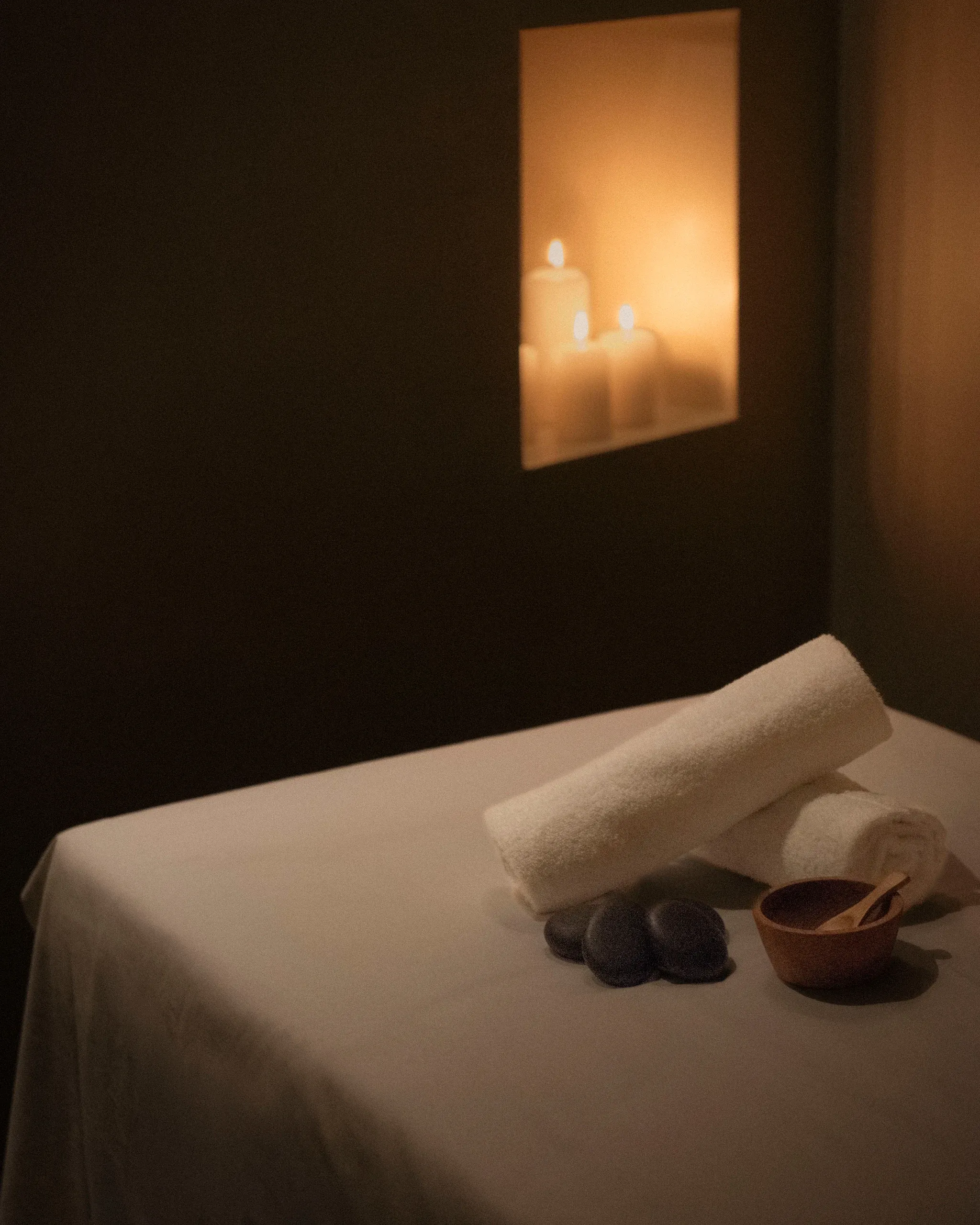
C'è un'ultima testimonianza che non figura tra i siti archeologici visitabili, perché non è una rovina. Nel 2007, durante i lavori di restauro dell'ex monastero di Santa Caterina ad Assisi, gli scavi portarono in superficie due strati romani sovrapposti. In alto, sei pilastri in calcare del I secolo d.C., ancora in piedi, e una vasca centrale conservata pressoché intatta per circa duemila anni. Sotto, uno strato più profondo, le tracce di un tempio dedicato al culto delle acque del II secolo a.C., riferibile alla città romana di Asisium. La decisione fu di non separare i resti dal luogo. Quei pilastri, quella vasca, quel tempio sono stati incorporati in una spa contemporanea che oggi ne ripercorre la sequenza originaria, Tepidario, Calidario, Sudatorio, Frigidario, restituendo all'acqua il rito per cui era stata convocata duemila anni prima. È la quinta tappa di questa mappa termale umbra, l'unica in cui l'archeologia non è esposta ma vissuta, accessibile come Day Spa o all'interno di un soggiorno con pacchetto dedicato.

Scopri il mondo NUN
Benessere, gusto, cultura, territorio. Al Nun ogni esperienza è pensata per completare il tuo percorso. Esplora le nostre proposte.