Assisi 2026 Ottocento anni nel segno di Francesco
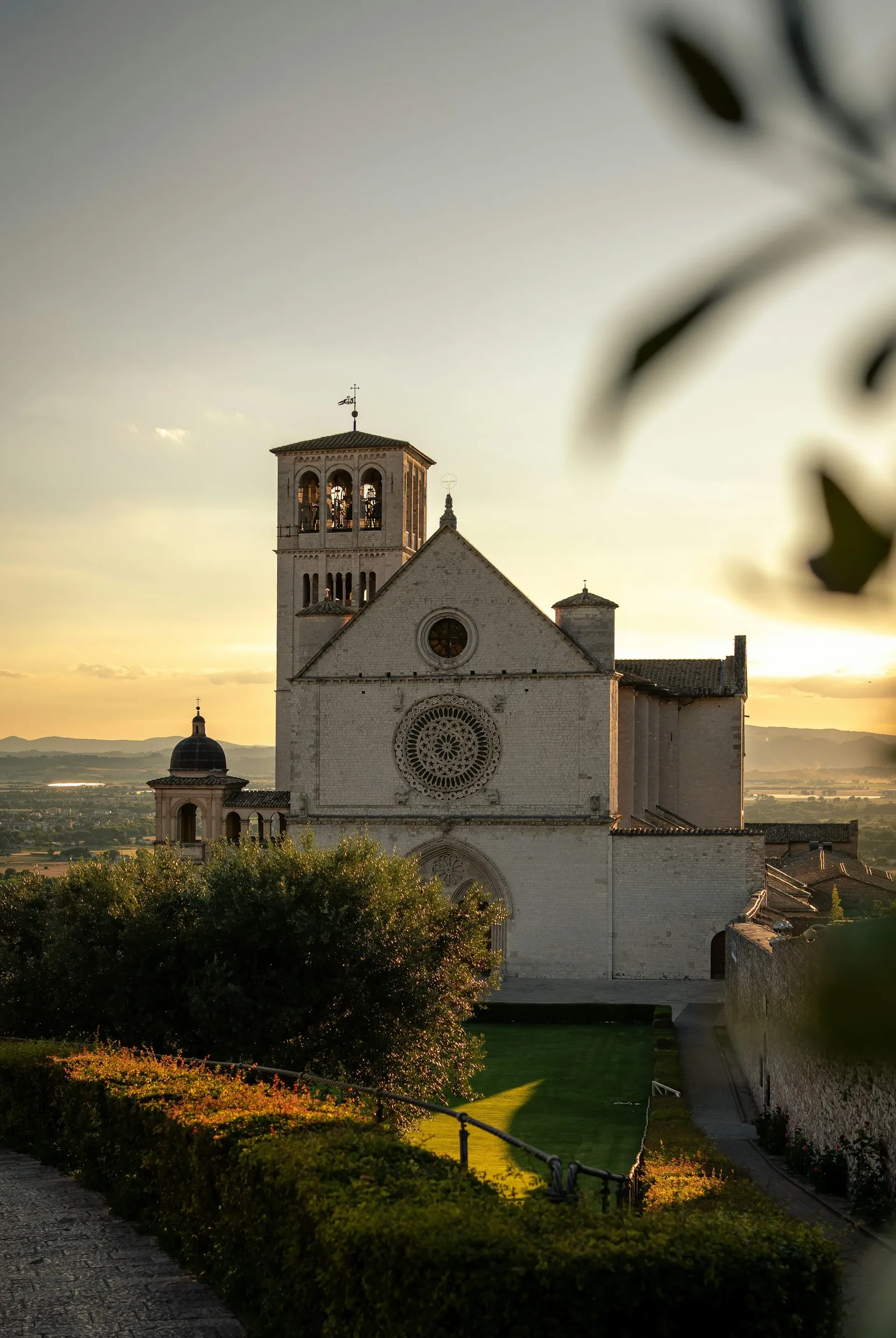
C'è un momento, nel calendario di una città, in cui il tempo si ferma e la storia torna a parlare al presente. Per Assisi quel momento è il 2026, anno in cui ricorrono gli ottocento anni dalla morte di San Francesco. Non una semplice commemorazione, ma un Giubileo che riporta questa città umbra al centro di un pellegrinaggio mondiale, fisico e spirituale insieme.

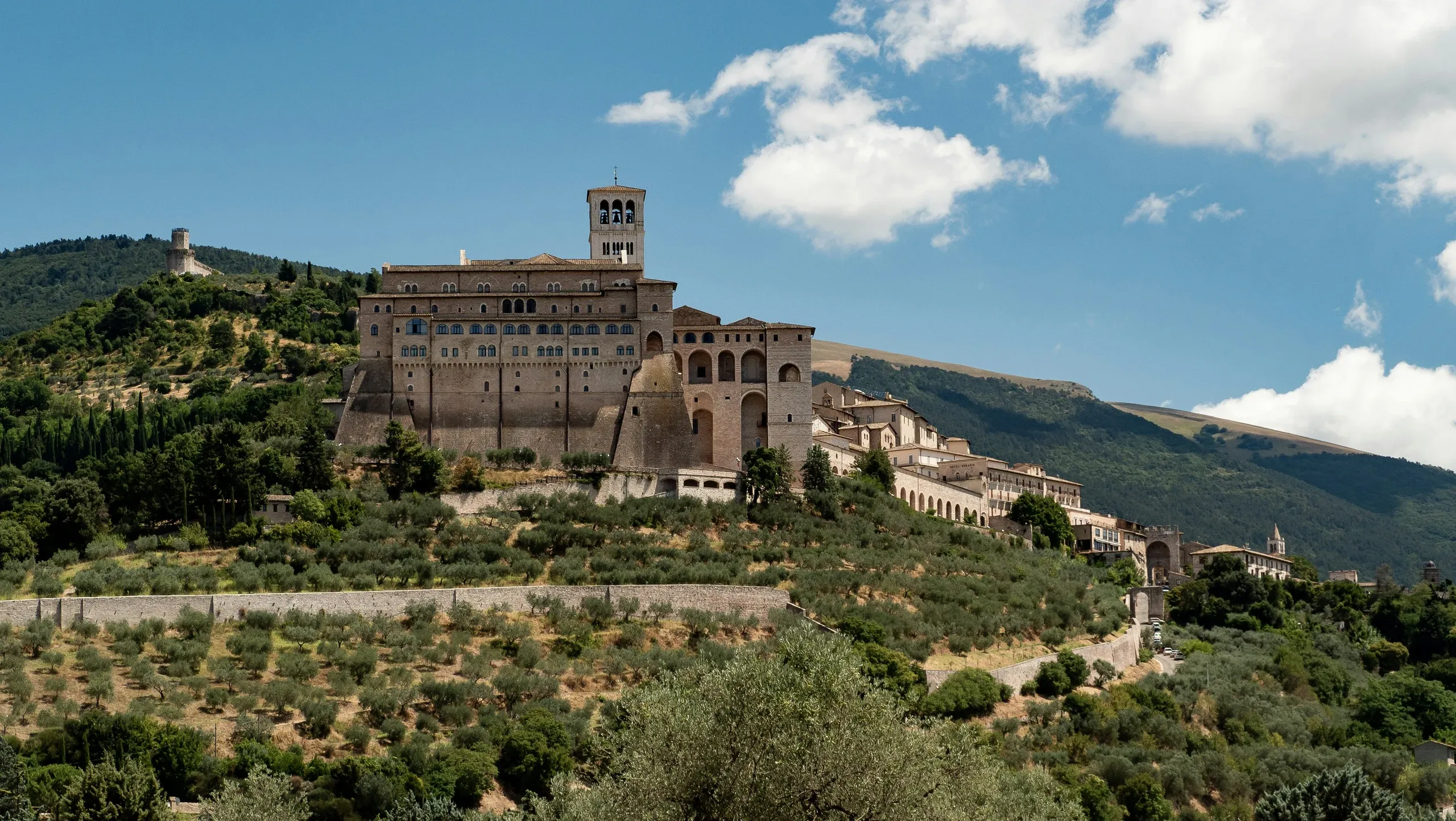

Il Giubileo francescano è stato inaugurato lo scorso febbraio con un evento straordinario. Per la prima volta dal 1978 le spoglie del Santo sono state esposte alla venerazione dei fedeli. Dal 22 febbraio al 22 marzo, migliaia di pellegrini hanno attraversato la cripta della Basilica inferiore per sostare davanti all'urna, in un silenzio denso di commozione. Code ordinate all'alba, volti segnati dalla fatica del viaggio, mani giunte davanti a quel che resta dell'uomo che otto secoli fa cambiò il volto della cristianità. Un mese che ha restituito ad Assisi la sua vocazione più profonda, essere luogo di incontro tra cielo e terra, crocevia di chi cerca qualcosa che le parole faticano a definire.
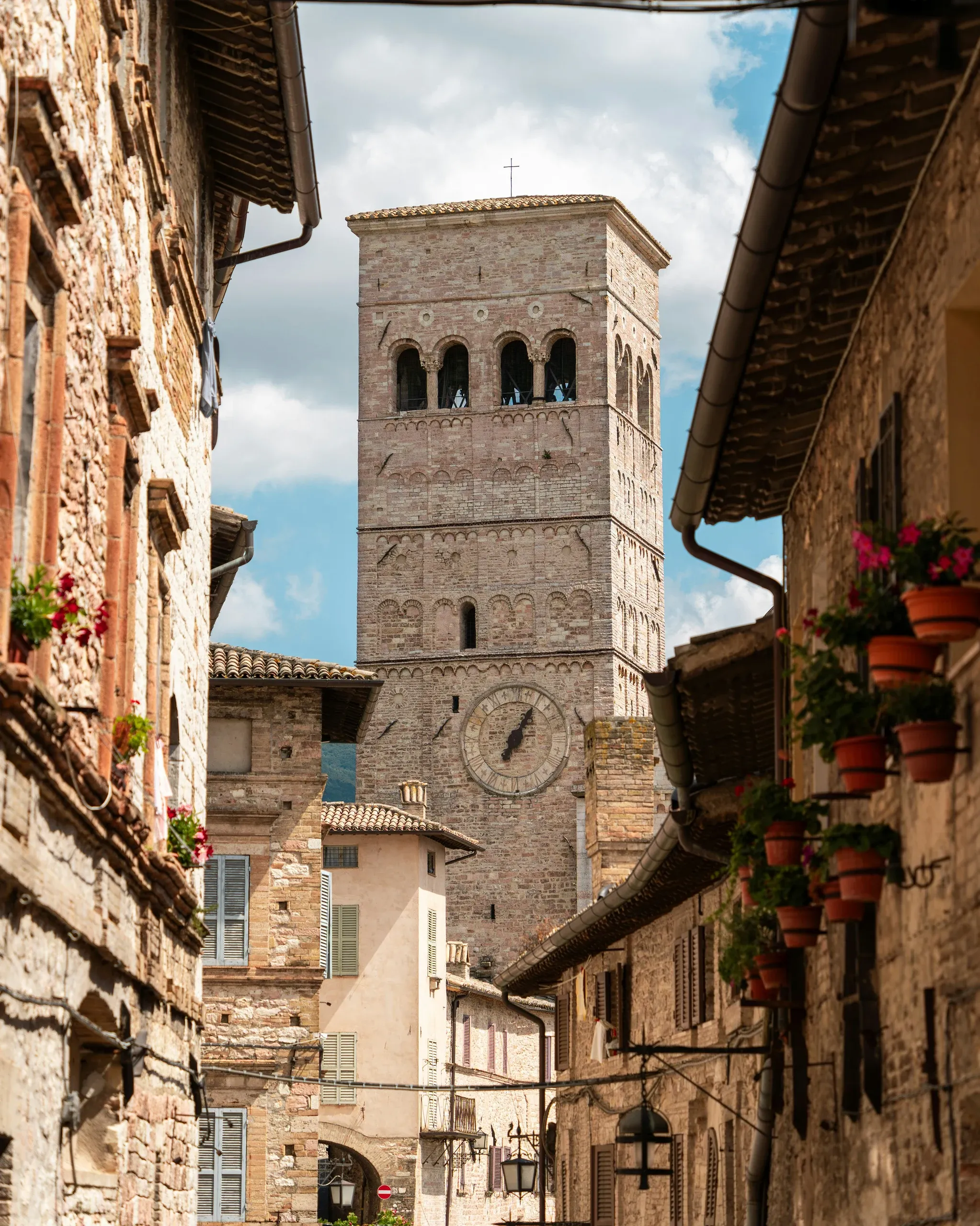
Ora la città si prepara a vivere i mesi che conducono al 3 ottobre, data del Transito, come la tradizione francescana chiama il passaggio di Francesco dalla vita terrena. Le celebrazioni proseguiranno con un calendario fitto di eventi liturgici, culturali e artistici che trasformeranno l'intera Umbria in un pellegrinaggio diffuso. Dai sentieri del Monte Subasio, dove Francesco si ritirava in preghiera, fino alle piazze medievali che ancora portano i segni della sua predicazione, il territorio si offre come un museo a cielo aperto, un cammino da percorrere con lentezza e attenzione.
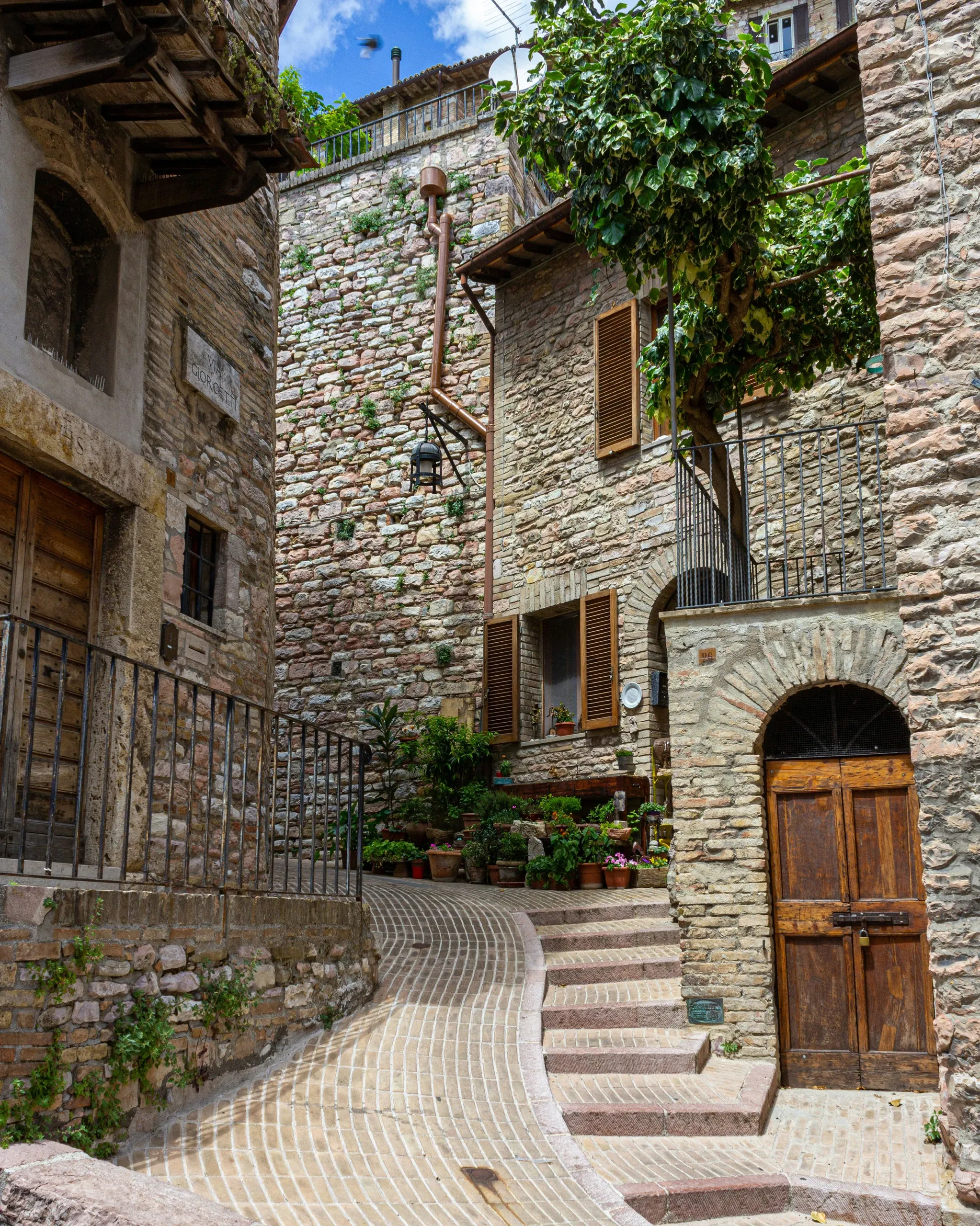
Ma Assisi non è solo meta di devozione. È una città che vive, respira, accoglie. I vicoli che salgono verso la Rocca Maggiore nascondono botteghe artigiane, scorci improvvisi sulla valle, il profumo del pane appena sfornato. La spiritualità qui non è separata dalla vita quotidiana. Ne è il tessuto connettivo, la nota di fondo che accompagna ogni gesto.
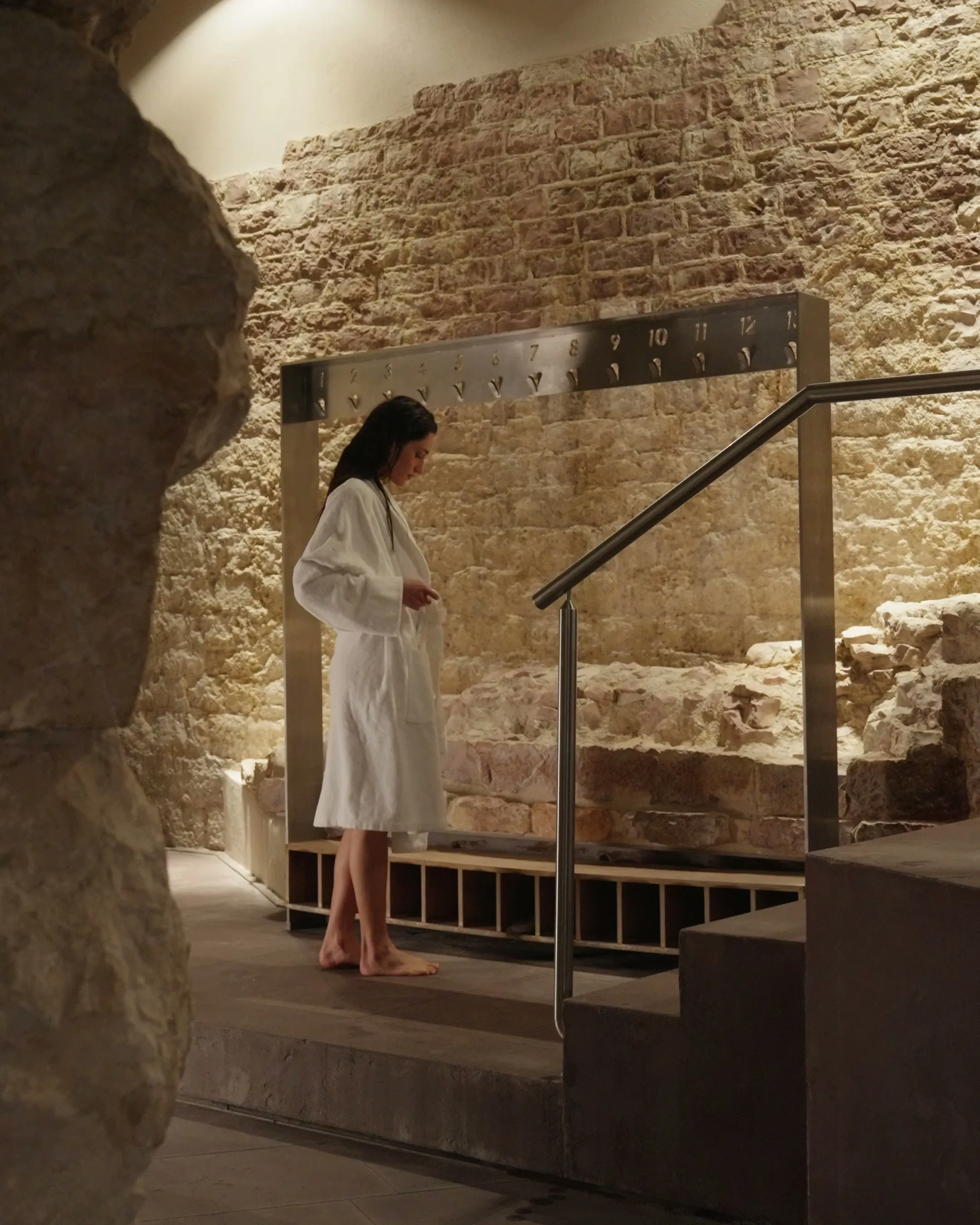
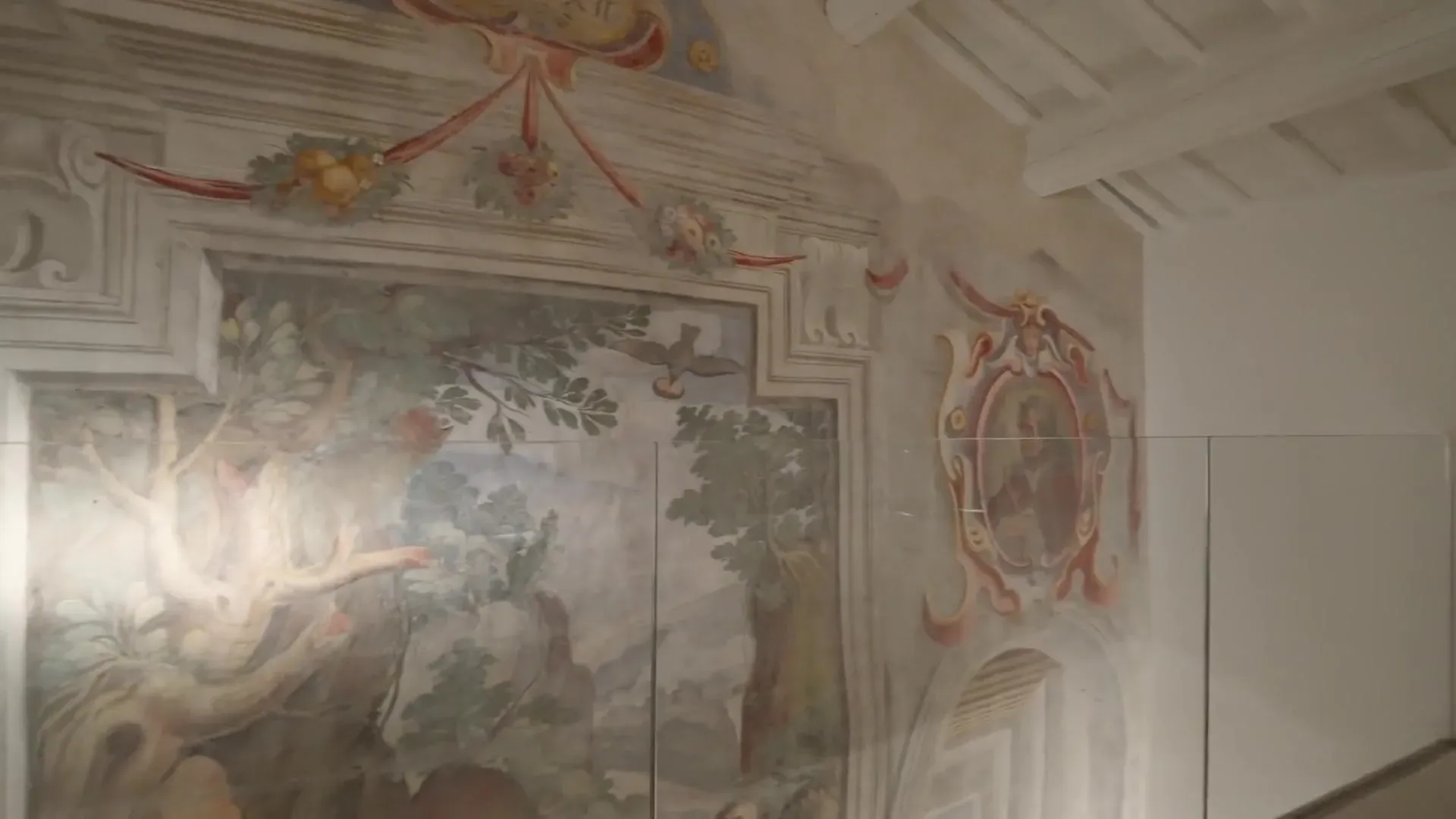
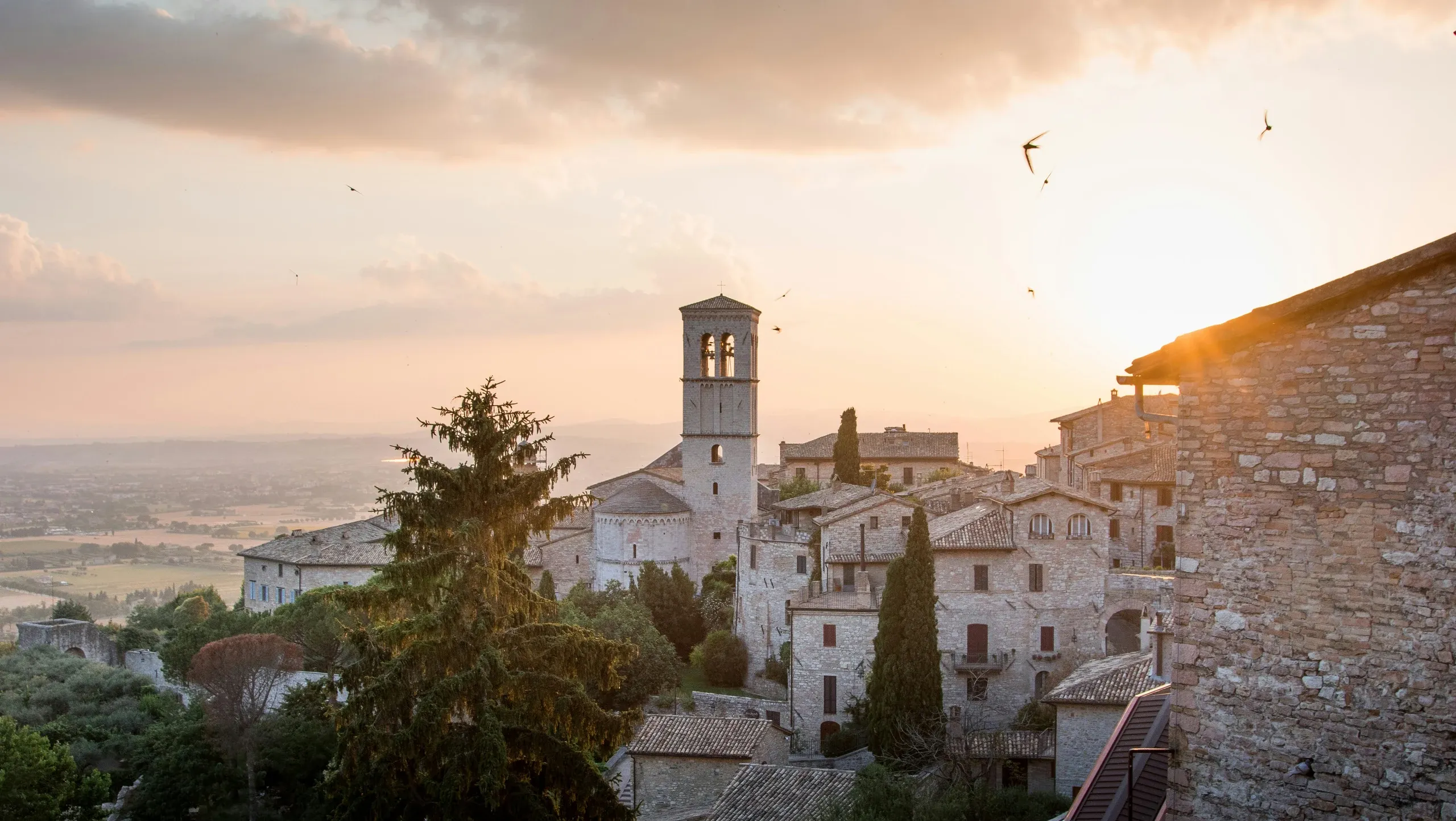
Soggiornare al NUN Assisi in questo anno significa abitare la storia nel senso più letterale. L'hotel sorge nell'antico monastero di Santa Caterina, a pochi passi dalla Basilica, dove le pietre conservano secoli di preghiera e silenzio. Quelle stesse mura che hanno ospitato generazioni di monache oggi accolgono viaggiatori in cerca di quella quiete che Francesco chiamava perfetta letizia. La trasformazione in hotel non ha cancellato l'anima del luogo, l'ha resa accessibile, abitabile, viva. Gli spazi conventuali sono diventati suite dove il minimalismo contemporaneo dialoga con la sobrietà monastica, la spa ricavata nelle antiche cantine offre un'esperienza di rigenerazione che è anche, inevitabilmente, meditazione.


C'è qualcosa di appropriato nel fatto che un monastero sia diventato luogo di ospitalità. Francesco stesso predicava l'accoglienza come forma di preghiera, il viandante come portatore di grazia. Al NUN questa tradizione continua con un linguaggio diverso ma con la stessa sostanza, offrire riparo, bellezza, silenzio a chi arriva da lontano.
Ottocento anni dopo, il messaggio francescano risuona con un'urgenza inattesa. In un'epoca di rumore e accelerazione, la sobrietà diventa rivoluzionaria. In un mondo lacerato da conflitti, la fraternità torna a essere profezia. In un pianeta ferito, la cura del creato che Francesco cantava nel Cantico delle Creature suona come un programma politico prima ancora che spirituale.
Assisi 2026 non celebra soltanto un anniversario. Rilancia un invito. A fermarsi, a camminare, a guardare con occhi nuovi. A scoprire che otto secoli non sono poi così tanti, quando le domande di fondo restano le stesse.

Scopri il mondo NUN
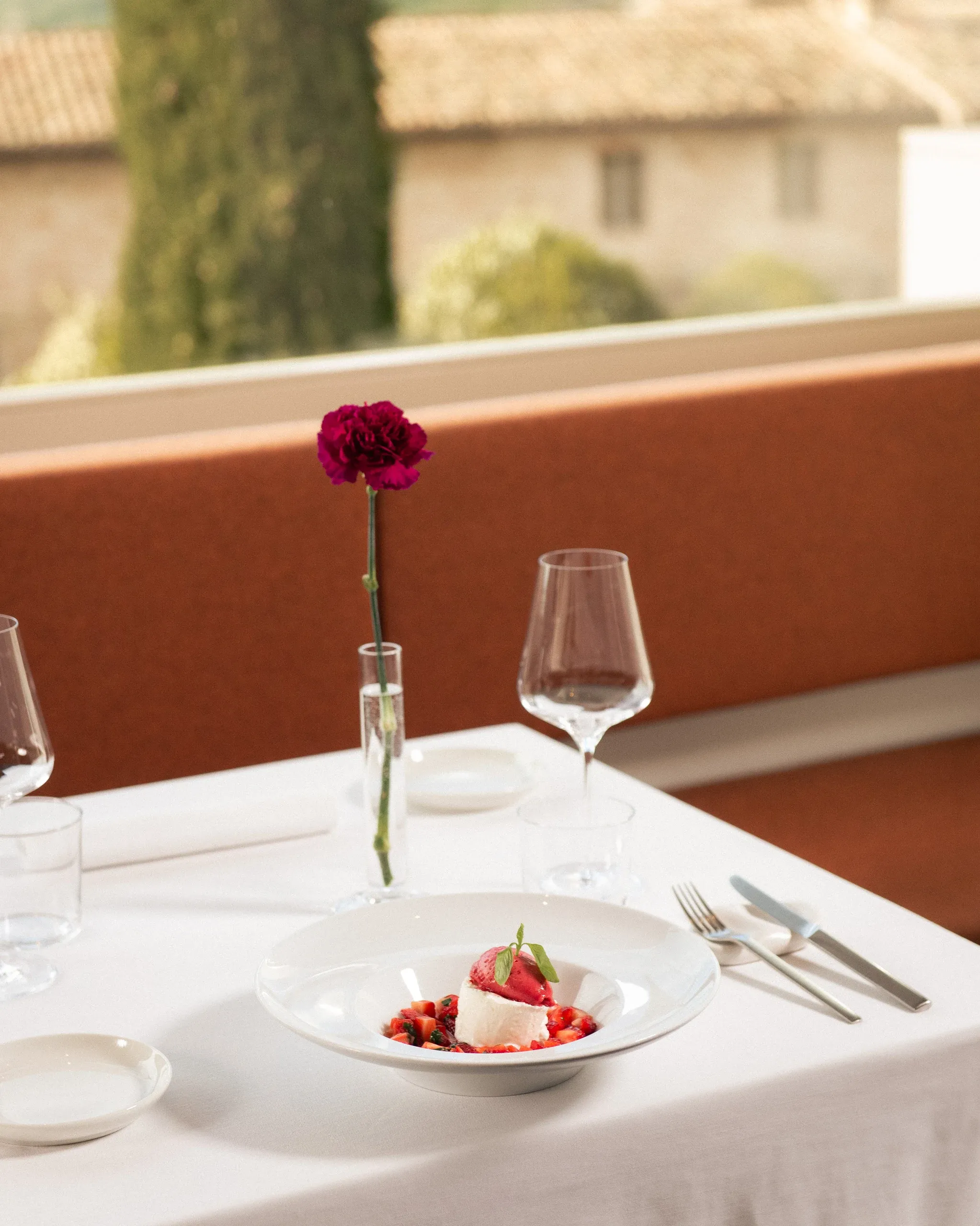
Benessere, gusto, cultura, territorio. Al Nun ogni esperienza è pensata per completare il tuo percorso. Esplora le nostre proposte.